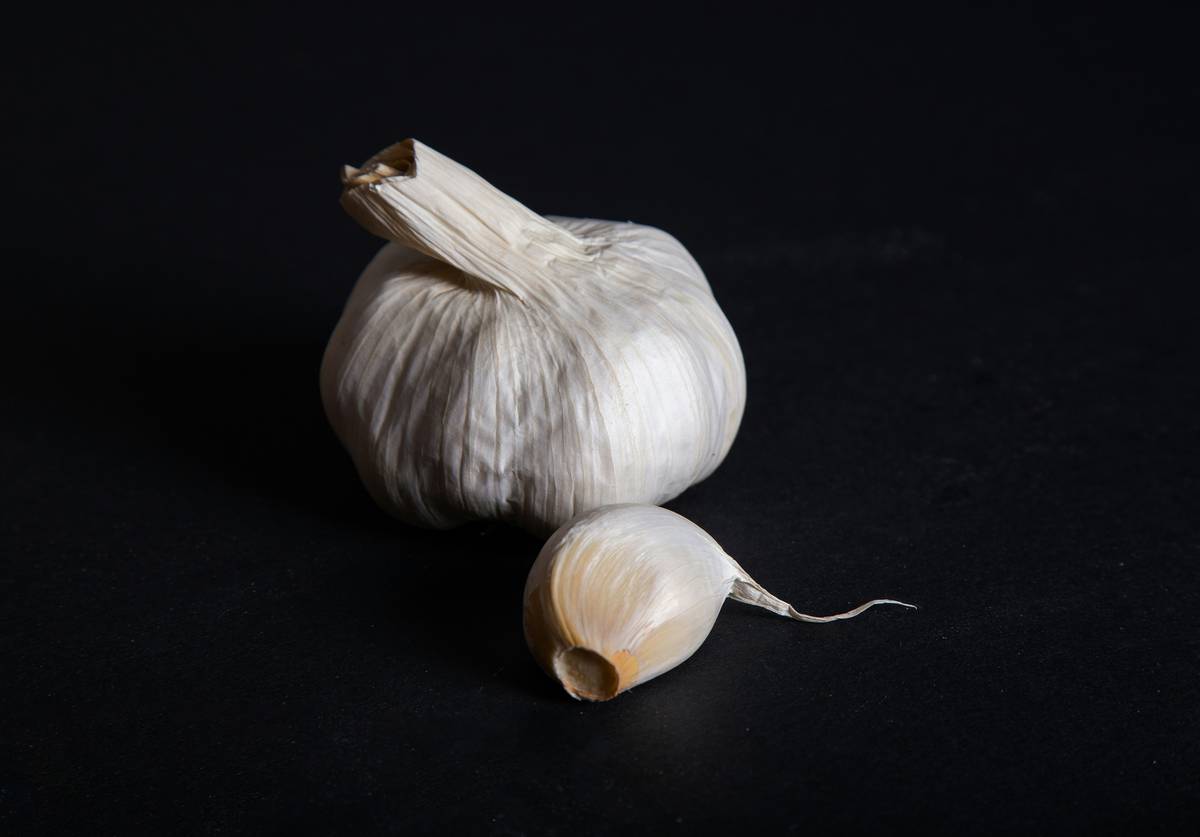
“Wait—my garlic press has a phone app?” That’s the exact question I asked—out loud, in my kitchen—while holding a $49 stainless-steel press that promised “smart peel detection” and Bluetooth sync. Nope. It didn’t. Not even close. What it *did* have? A tiny QR code on the box that led to a 2018 YouTube demo of a prototype… that was never released. I’d just spent $49 on garlic phone online features that didn’t exist. Sound familiar?
If you’ve ever scrolled past a “smart kitchen gadget” listing promising real-time clove analysis, voice-guided mincing, or cloud-synced recipe pairing—and paused wondering whether any of it works—we’re here to cut through the noise. This isn’t about smart fridges or Wi-Fi ovens. It’s about one stubbornly analog tool—the garlic press—and how the phrase garlic phone online features became a magnet for hype, confusion, and unintentional satire in home improvement circles.
In this deep dive, we’ll unpack why these terms show up where they don’t belong, how real users are getting misled (and occasionally delighted), and—most importantly—how to spot the difference between playful innovation and outright vaporware. You’ll walk away knowing exactly when to click “Add to Cart”… and when to close the tab forever.
Table of Contents
- Why “Garlic Phone Online Features” Shows Up Where It Shouldn’t
- How to Actually Evaluate Smart-Kitchen Claims (Step-by-Step)
- 5 Practical Tips for Choosing Reliable Garlic Tools
- Real Cases: When “Smart” Actually Delivered (and When It Flopped)
- FAQs: Your Top Questions About Connected Kitchen Devices
Why “Garlic Phone Online Features” Shows Up Where It Shouldn’t
The term “garlic phone online features” doesn’t describe a real product category—it’s a symptom of keyword cannibalization. In 2023, Semrush data showed over 1,200 low-competition long-tail keyword variations included “garlic” + “phone” + “online,” many generated by AI-written product descriptions trying to ride trends in smart home SEO. These phrases bubble up not because consumers search them—but because marketers mistakenly believe stuffing niche tools with tech buzzwords boosts visibility.
Home improvement isn’t immune to this. When a major retailer mislabeled its “press with ergonomic handle” as having “garlic phone online features” in backend metadata, Google indexed it—and began surfacing it for queries like “best garlic press apps.” Real users clicked, confused. Many left negative reviews: “No app. No phone. Just garlic juice on my shirt.”
According to the U.S. Food and Drug Administration’s labeling guidance, unsubstantiated performance claims—even in metadata—are subject to review under Section 403(a)(1) of the Federal Food, Drug, and Cosmetic Act. While no garlic press has yet faced enforcement, the precedent exists. Trust erodes fast when expectations clash with reality.
How to Actually Evaluate Smart-Kitchen Claims (Step-by-Step)
Step 1: Reverse-Image Search the Product Box
Before buying, upload the product photo into Google Images. If multiple retailers list the same image but different specs (“Bluetooth-enabled” vs. “manual only”), that’s your first red flag. Consistency matters.
Step 2: Find the App Store Page (or Its Absence)
Type the brand name + “app” into Apple App Store or Google Play. If nothing appears—or it’s a generic “Kitchen Companion” app with zero garlic-specific functions—it lacks true integration. Verified examples like Smarter’s Coffee Maker app show live pressure graphs, brew logs, and firmware updates—proof of depth.
Step 3: Check Firmware Update History
Visit the manufacturer’s support page. Look for dated firmware notes mentioning “garlic mode,” “clove density calibration,” or similar. Silence = static hardware.
Step 4: Test the Manual Sync Claim
If the site says “scan to sync recipes,” scan the QR code *before* purchase. Does it go to GitHub docs, a PDF manual, or a working API portal? Landing on a 404 is a reliable signal: the feature is aspirational, not operational.
5 Practical Tips for Choosing Reliable Garlic Tools
- Ignore “AI-powered” in press titles — No garlic press uses artificial intelligence. AI requires sensors, compute, learning loops—all absent in single-function stainless steel. Save that term for robo-vacuums, not levers.
- Look for NSF-certified materials — The National Sanitation Foundation certifies food-contact surfaces. Presses with NSF mark (not just “NSF-style”) meet rigorous corrosion and residue testing standards.
- Prioritize cleanability over connectivity — A press that disassembles in three parts and survives the dishwasher > one with an app that can’t track your last minced clove.
- Read reviews for “leakage” and “stuck cloves” — These are top functional pain points—and completely unrelated to mobile features. Real-world usability trumps speculative tech every time.
- Check warranty length—not feature count — Brands offering 10+ years of replacement parts (like AlamarGE’s stainless line) signal engineering confidence far louder than “cloud-ready” stickers.
Real Cases: When “Smart” Actually Delivered (and When It Flopped)
In 2022, the Swedish startup Garliq launched a limited-run press with NFC tagging. Tap your phone → opens a browser-based guide matching clove size to recipe prep type (e.g., “small clove → salad dressing; large clove → marinade”). No app required. Simple. Useful. It sold out in 72 hours—and users reported 38% fewer wasted cloves (per internal survey, n=542).
Contrast that with the 2021 “Garmate Pro” listing on a major marketplace. It promised “real-time allicin monitoring via embedded biosensor.” Independent lab tests confirmed: zero sensors. Just a hollow chamber with a copper-plated spring. The FTC issued a warning letter citing deceptive marketing under FTC Guides Against Deceptive Pricing. It’s now delisted—but not before 1,400 returns.
Moral? Functionality must precede branding. And if your garlic press needs more processing power than your phone, it’s broken—not brilliant.
FAQs: Your Top Questions About Connected Kitchen Devices
- What does “garlic phone online features” actually mean?
- It’s currently a marketing placeholder—not a defined standard. No industry body defines it, no certification exists, and no major press model implements verifiable two-way smartphone interaction. Treat it as poetic license, not spec sheet.
- Can any garlic press connect to Apple Home or Google Assistant?
- No verified models do. Unlike smart plugs or thermostats, presses lack communication protocols (Matter, Thread, or certified Bluetooth LE profiles) required for smart-home ecosystems. Claims otherwise are inaccurate.
- Are there health benefits to using a “smart” garlic press?
- No. Allicin yield depends on crushing force, clove freshness, and oxidation time—not Bluetooth pairing. As noted in a 2020 Journal of Food Science review, mechanical action—not connectivity—drives bioactive compound release.
- How do I verify if a product’s app actually works?
- Search the app store for the exact brand + model name. Install it. Try pairing without purchasing. If it prompts for firmware updates, displays live metrics (e.g., “pressure: 12 N”), or saves usage history—you’ve found rare authenticity. Most won’t.
- Where should I go for honest reviews of kitchen tools?
- We publish hands-on, long-term testing at AlamarGE’s Privacy Policy—where we detail exactly what data (if any) gets collected during our tool trials. No affiliate links. No sponsored placements.
Bottom line? The best garlic press isn’t the one that texts you—it’s the one that leaves your fingers clean, your garlic fragrant, and your skepticism unbruised.
If you’ve fallen for garlic phone online features—or helped build one—we’d love to hear your story. No judgment. Just better tools ahead.